


Screen Time, Devices & Kids’ Eyes: Setting Healthy Boundaries in the Digital Age
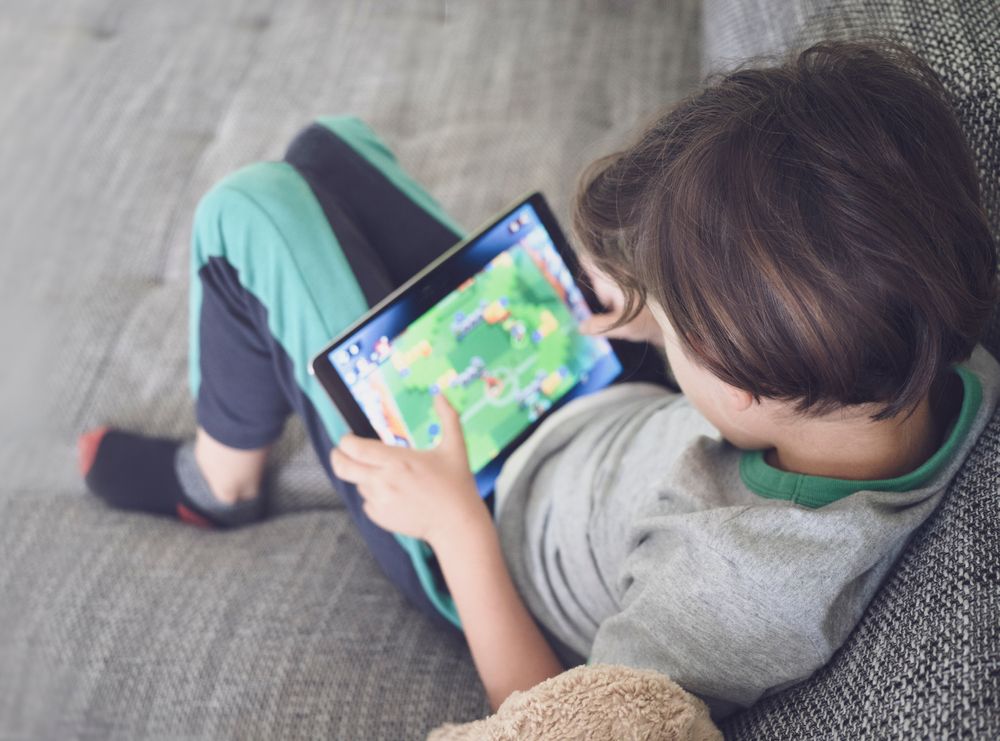
From tablets in the classroom to smartphones at home, screens are now a constant part of childhood. While digital devices offer educational and social benefits, excessive screen time can take a toll on children’s eye health. Understanding the risks and setting healthy boundaries can help protect young eyes during critical years of visual development.
Digital Eye Strain in Children
Digital eye strain occurs when the eyes become fatigued from extended screen use. Common symptoms in kids include:
- Eye discomfort or burning
- Headaches
- Blurred or fluctuating vision
- Difficulty concentrating
- Squinting or rubbing the eyes
Because children may not recognize or communicate these symptoms, digital eye strain often goes unnoticed until it begins to interfere with schoolwork or daily activities.
The Link Between Screen Time and Myopia
Research shows that increased screen time - especially when paired with reduced outdoor activity - is associated with a higher risk of myopia (nearsightedness) in children. Myopia often develops during school-age years and can progress rapidly, leading to stronger prescriptions and a greater risk of eye health complications later in life.
Healthy Screen Time Habits for Growing Eyes
Setting clear and realistic screen time boundaries can significantly reduce eye strain and support long-term visual health.
- Follow the 20-20-20 Rule: Encourage children to take a break every 20 minutes by looking at something at least 20 feet away for 20 seconds. This simple habit helps relax the focusing muscles of the eyes.
- Create Screen-Smart Environments: Position screens at eye level or slightly below. Maintain proper lighting to reduce glare. Keep devices at least arm’s length away when possible.
- Balance Screen Time With Outdoor Play: Spending time outdoors has been shown to help slow the progression of myopia. Aim for at least one to two hours of outdoor activity daily to give young eyes a healthy break from near work.
- Set Age-Appropriate Limits: Establish screen-free times during the day, such as during meals or before bedtime, and model healthy screen habits as a family.
Why Regular Pediatric Eye Exams Matter
Routine eye exams are essential—even if your child doesn’t complain of vision problems. Children’s eyes can adapt to changes in vision, masking issues like myopia, focusing difficulties, or eye alignment problems.
Comprehensive pediatric eye exams allow your optometrist to:
- Detect early signs of myopia or eye strain
- Monitor visual development
- Recommend strategies to slow myopia progression
- Ensure your child’s vision supports learning and development
Early detection and proactive care can make a lasting difference in your child’s visual health.
Partner With Napa Valley Optometric Group for Your Child’s Eye Care
Screens are here to stay, but eye problems don’t have to be. By understanding the impact of prolonged screen time, encouraging healthy digital habits, and prioritizing regular pediatric eye exams, parents can help safeguard their children’s vision in today’s digital world.
If your child spends hours on digital devices or is struggling with headaches, eye fatigue, or blurry vision, it may be time for a comprehensive eye exam. Contact Napa Valley Optometric Group to schedule your child’s pediatric eye exam and ensure their eyes stay healthy in the digital age. Visit our office in Napa, California, or call (707) 339-4200 to book an appointment today.

Our Services
Contact Info
Hours of Operation
- Monday 8:00am - 5:00pm
- Tuesday 8:00am - 5:30pm
- Wednesday 8:00am - 5:30pm
- Thursday 9:00am - 5:30pm
- Friday 8:00am - 5:00pm
- Saturday Closed
- Sunday Closed
© 2026 Napa Valley Optometric Group. All rights Reserved. Accessibility Statement - Privacy Policy - Sitemap
Powered by:
